Introduction
Depression and anxiety affect millions of Americans every year, with many struggling to find relief from traditional treatments. Mushroom therapy, also known as psilocybin-assisted therapy, is gaining attention as a potential breakthrough option for those with treatment-resistant symptoms.
In this article, we explore the latest research on mushroom therapy for depression and anxiety, its potential benefits, risks, legal considerations in the USA, and important safety information.
This content is for educational purposes only and is not medical advice. Always consult a qualified healthcare professional before considering any new treatment.
What Is Mushroom Therapy?
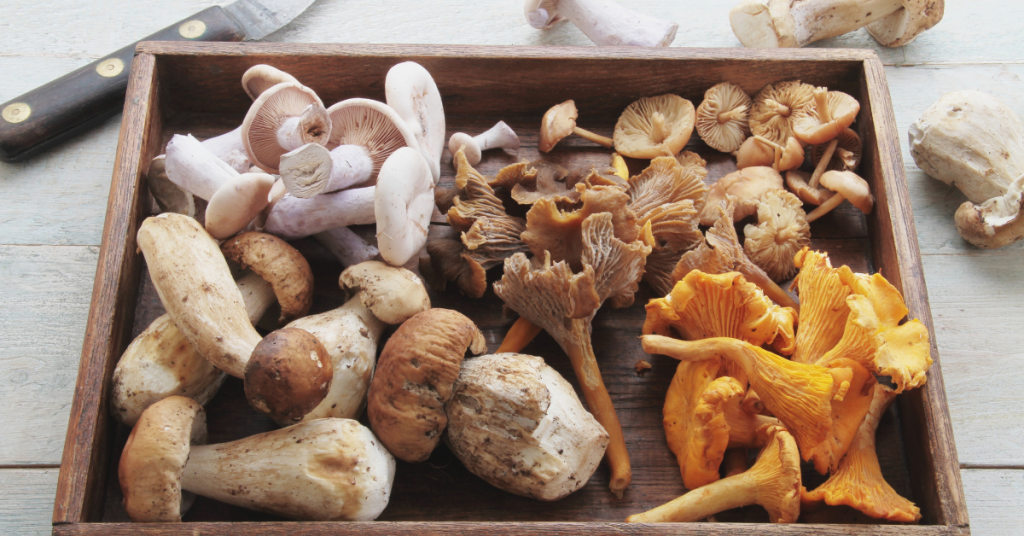
Mushroom therapy typically refers to the controlled use of psilocybin, the active compound found in certain species of “magic mushrooms,” administered in a therapeutic setting with professional psychological support. Sessions usually involve one or two guided doses combined with preparation and integration therapy.
Unlike recreational use, clinical mushroom therapy occurs in a safe, supervised environment designed to maximize therapeutic outcomes.
How Does Psilocybin Work for mushroom therapy for Depression and Anxiety?
Psilocybin interacts with serotonin receptors in the brain, particularly the 5-HT2A receptor. This can lead to profound changes in perception, mood, and thought patterns, often described as a “reset” of brain networks associated with depression and anxiety.
Research suggests it promotes neuroplasticity — the brain’s ability to form new connections — which may explain its rapid and sometimes long-lasting effects.
What Does the Research Say? (Latest Evidence 2025–2026)
Multiple clinical trials have shown promising results:
- Depression: Studies, including those with FDA Breakthrough Therapy designation, indicate that psilocybin-assisted therapy can produce rapid reductions in depressive symptoms, with effects lasting weeks to months after just one or two sessions. In some trials, a significant portion of participants with treatment-resistant depression experienced remission.
- Anxiety: Psilocybin has demonstrated substantial and sustained decreases in anxiety, particularly in patients with life-threatening illnesses, but also in broader populations dealing with generalized anxiety.
- A meta-analysis highlighted large effect sizes compared to traditional treatments, with many participants reporting improved quality of life and emotional well-being.
Side effects in supervised settings are generally mild and transient (e.g., headache, nausea, temporary anxiety during the session), similar to conventional antidepressants.
Important: Most studies are still in clinical or research phases with relatively small sample sizes. Larger trials are ongoing.
Benefits of Mushroom Therapy for Mental Health
- Rapid onset of relief (often within days)
- Potential for long-lasting effects from limited sessions
- Improved emotional openness and insight during integration
- Reduced symptoms of treatment-resistant depression and anxiety
- Possible benefits for related conditions like PTSD or end-of-life distress
Risks and Considerations
While promising, mushroom therapy is not risk-free. Potential risks include:
- Temporary psychological distress during the experience (“bad trip”)
- Increased heart rate and blood pressure
- Not suitable for people with certain psychiatric histories (e.g., psychosis, schizophrenia)
- Potential for challenging integration periods
It must always be done under professional supervision in appropriate settings.
Legal Status in the USA (2026 Update)
Psilocybin remains a Schedule I controlled substance at the federal level, making it illegal to possess or use outside approved research.
However, progress is happening at the state and local levels:
- Decriminalized in several cities
- Regulated therapy programs exist in states like Oregon and Colorado
- More states are exploring legalization for therapeutic use
Always check your local laws and only pursue options through licensed, regulated programs where available.
Who Might Benefit?
Mushroom therapy is primarily being studied for treatment-resistant depression and anxiety — cases where standard medications and therapy have not provided sufficient relief. It is not a first-line treatment and requires thorough screening.
What to Expect in a Session
- Preparation sessions with a therapist
- The dosing session (6–8 hours in a comfortable setting)
- Integration therapy afterward to process the experience
Frequently Asked Questions (FAQ)
Is mushroom therapy legal for depression treatment?
It is still federally illegal in most cases, but regulated programs exist in specific states. Consult local regulations.
How long do the effects last?
Many studies show benefits lasting several months after one or two sessions, though individual results vary.
Is it safe?
In controlled clinical settings with screening and support, research shows a favorable safety profile, but it is not risk-free.
Can I try microdosing instead?
Microdosing is popular but has less robust clinical evidence compared to full-dose assisted therapy.
Disclaimer: This is not a substitute for professional medical advice. Results are not guaranteed, and self-administration carries legal and health risks.For more information, please search on Click here
Conclusion
Mushroom therapy (psilocybin-assisted therapy) represents an exciting frontier in mental health treatment for depression and anxiety, backed by growing scientific evidence. As research advances and regulations evolve, it may become a more accessible option for those who need it most.
If you’re considering this path, work with licensed professionals and stay informed through reputable sources. At [Elite PsycheMeds], we are committed to providing accurate, science-based information on psychedelic wellness and mental health.
Ready to learn more? Explore our other guides on psilocybin therapy or ketamine treatment [click here].